
 By Cotton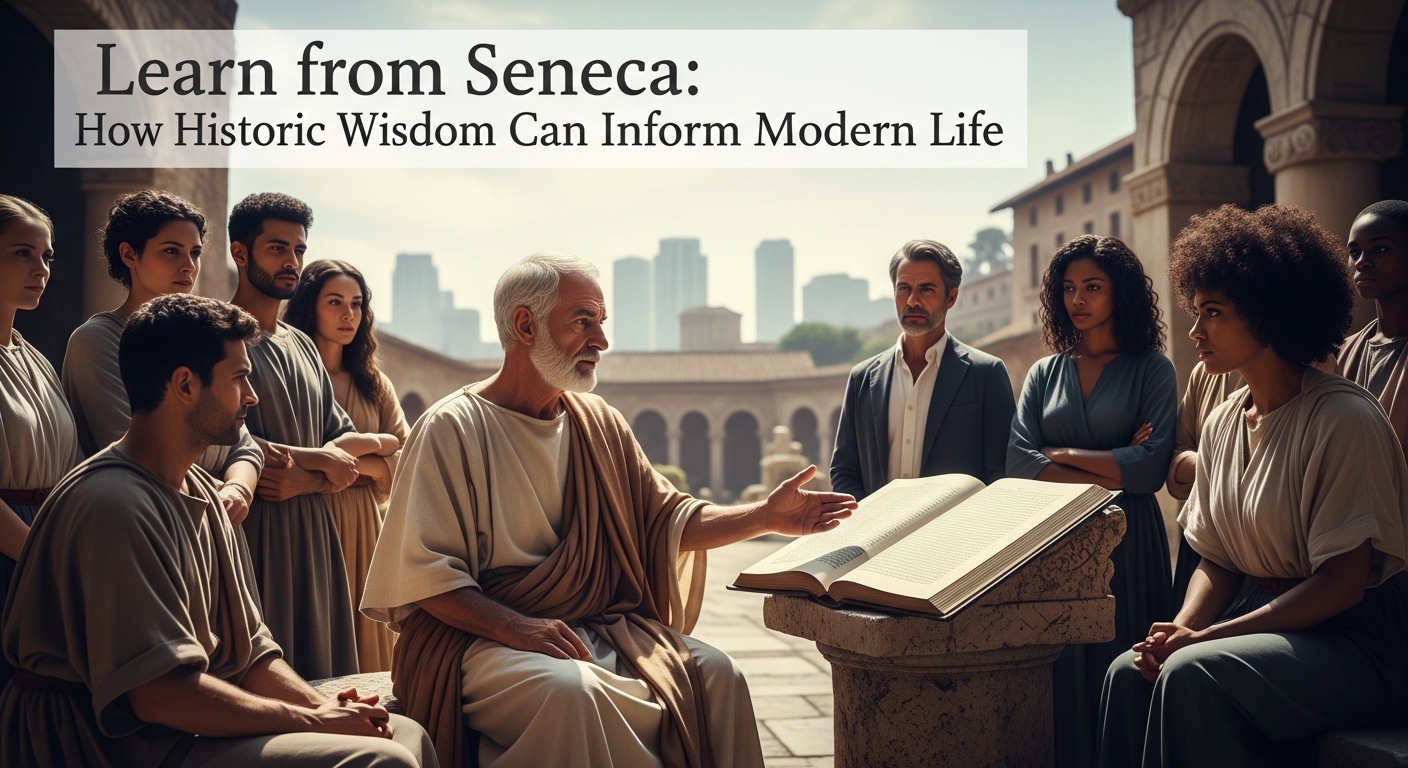
In a world filled with constant noise, endless notifications, and growing pressure to succeed, the wisdom of Senaca feels more valuable than ever. Although he lived centuries ago, his ideas about peace, discipline, and purpose still speak clearly to modern readers. His philosophy reminds us that a meaningful life does not come from wealth or status, but from self-control, strong values, and a calm mind. By understanding his lessons, we can make better choices and live with greater clarity.
Understanding Senaca and His Philosophy
Senaca was a Roman philosopher, writer, and statesman best known for his connection to Stoicism. Stoicism teaches that people should focus on what they can control and accept what they cannot. Instead of chasing pleasure or fearing pain, it encourages balance, reason, and inner strength.
His writings explored topics such as anger, happiness, death, friendship, and time. Unlike many thinkers, he did not write only for scholars. His words were practical and personal, meant to help ordinary people improve their daily lives. That is one reason his ideas remain relevant today.
He believed that external success means little if the mind is restless. A peaceful inner life, according to his teachings, is the true mark of success.
Why Senaca Still Matters Today
Modern life often creates stress because people try to control everything around them. Career goals, financial worries, social expectations, and digital distractions can leave little room for reflection. The teachings of Senaca offer a different path.
He encourages people to stop measuring life by comparison. Instead of asking whether we are ahead of others, we should ask whether we are becoming wiser and kinder. This shift in thinking reduces anxiety and builds confidence from within.
His philosophy also helps with uncertainty. Life will always include change, loss, and disappointment. Rather than resisting these realities, he teaches acceptance and preparation. This mindset creates emotional stability and resilience.
For people facing burnout, his advice feels surprisingly modern: simplify, reflect, and protect your peace.
Senaca on Time and Attention
One of his most famous lessons is about time. He argued that people complain life is short, but in truth, much of life is wasted. Time disappears through distraction, unnecessary worry, and living according to other people’s expectations.
He believed that attention is one of the most valuable human resources. If we spend our days reacting to every message, trend, or demand, we lose ownership of our lives. Protecting time means choosing carefully where energy goes.
This lesson is especially important in the digital age. Social media often creates the illusion of productivity while stealing focus. Hours disappear without real satisfaction. His advice would likely be simple: be intentional.
A person who guards time carefully gains freedom. A person who wastes it feels constantly behind. The difference is not luck, but awareness.
Senaca and Emotional Strength
Emotional control was another major theme in his writing. He did not believe people should ignore emotions, but he warned against becoming ruled by them. Anger, fear, jealousy, and pride can lead to poor decisions when left unchecked.
He wrote especially about anger, calling it one of the most destructive emotions. Anger often feels powerful in the moment, but it usually damages judgment and relationships. He advised people to pause before reacting and to examine whether their frustration is truly useful.
This idea applies everywhere—from family disagreements to workplace conflict. Responding calmly often solves more than reacting quickly.
He also taught that fear becomes smaller when we face it honestly. Many people suffer more from imagining future pain than from reality itself. Preparing the mind for difficulty makes hardship easier to bear.
True strength, in his view, comes from patience and self-mastery, not from dominance.
Applying Senaca at Work
Professional life can become a source of constant pressure. Promotions, deadlines, and competition often define self-worth. Yet his philosophy offers a healthier perspective on ambition.
He did not reject success, but he warned against becoming dependent on it. Work should support a good life, not replace it. If career achievement destroys peace, relationships, or integrity, the price is too high.
He also emphasized character over reputation. Many people spend more time managing appearances than building real skill or honesty. A strong reputation is useful, but character matters more because it remains even when public praise disappears.
At work, this means focusing on discipline, fairness, and consistency rather than approval alone. It also means understanding that failure is part of growth, not proof of personal weakness.
Success built on values lasts longer than success built on image.
Relationships Through the Lens of Senaca
Human connection was deeply important in his thought. He valued friendship not as social convenience, but as moral support. Good friends help us become better versions of ourselves.
He believed relationships should be based on trust, respect, and shared growth. Friendships built only on advantage or status often disappear when circumstances change. Genuine connection survives difficulty.
His ideas also apply to family life. Patience, listening, and forgiveness create stronger bonds than pride or constant judgment. Many conflicts continue because people want to win rather than understand.
Love, in this philosophy, is not simply emotion. It is responsibility and presence. Showing up consistently matters more than dramatic gestures.
In a fast-moving world, this reminder is powerful: relationships thrive through attention, not convenience.
A Simple Daily Routine Inspired by Senaca
Ancient philosophy becomes meaningful only when practiced. A few daily habits can help bring these ideas into modern life.
Start the morning with reflection instead of immediate distraction. Before checking a phone, ask what truly deserves attention today. This creates intention rather than reaction.
During the day, pause before emotional decisions. Whether dealing with criticism or stress, a moment of silence can prevent unnecessary conflict.
At night, review the day honestly. What was done well? Where could patience have been stronger? This quiet self-examination helps growth without harsh self-judgment.
Gratitude also matters. Appreciating what already exists reduces the endless desire for more. Contentment is not laziness; it is freedom from constant dissatisfaction.
Even small routines create lasting change when repeated with purpose.
The Balance Between Acceptance and Action in Senaca
Some people misunderstand Stoicism as emotional distance or passive living. In reality, the philosophy of Senaca supports action guided by wisdom. Acceptance does not mean giving up. It means recognizing reality clearly before choosing the best response.
If something can be improved, effort is necessary. If something cannot be changed, peace comes from acceptance rather than resistance. This balance prevents both helplessness and unnecessary frustration.
For example, losing a job may cause pain, but panic adds no value. Calm action—updating skills, seeking support, and planning the next step—is more effective than emotional collapse.
This approach creates practical strength. It teaches people to respond rather than react.
Final Thoughts on Senaca
The lasting power of Senaca lies in his simplicity. He did not promise a perfect life free from pain. Instead, he offered a way to meet life with courage, clarity, and self-respect.
His lessons remind us that peace begins within. Time should be protected, emotions should be examined, and success should never come at the cost of character. In work, relationships, and personal growth, wisdom matters more than speed.
Modern life may look very different from ancient Rome, but human struggles remain surprisingly similar. People still search for purpose, balance, and calm. That is why these teachings continue to resonate.
By applying even a few of these principles, anyone can move toward a life that feels less rushed and more meaningful. Ancient wisdom does not belong only to history—it belongs to anyone willing to practice it today.