
 By Cotton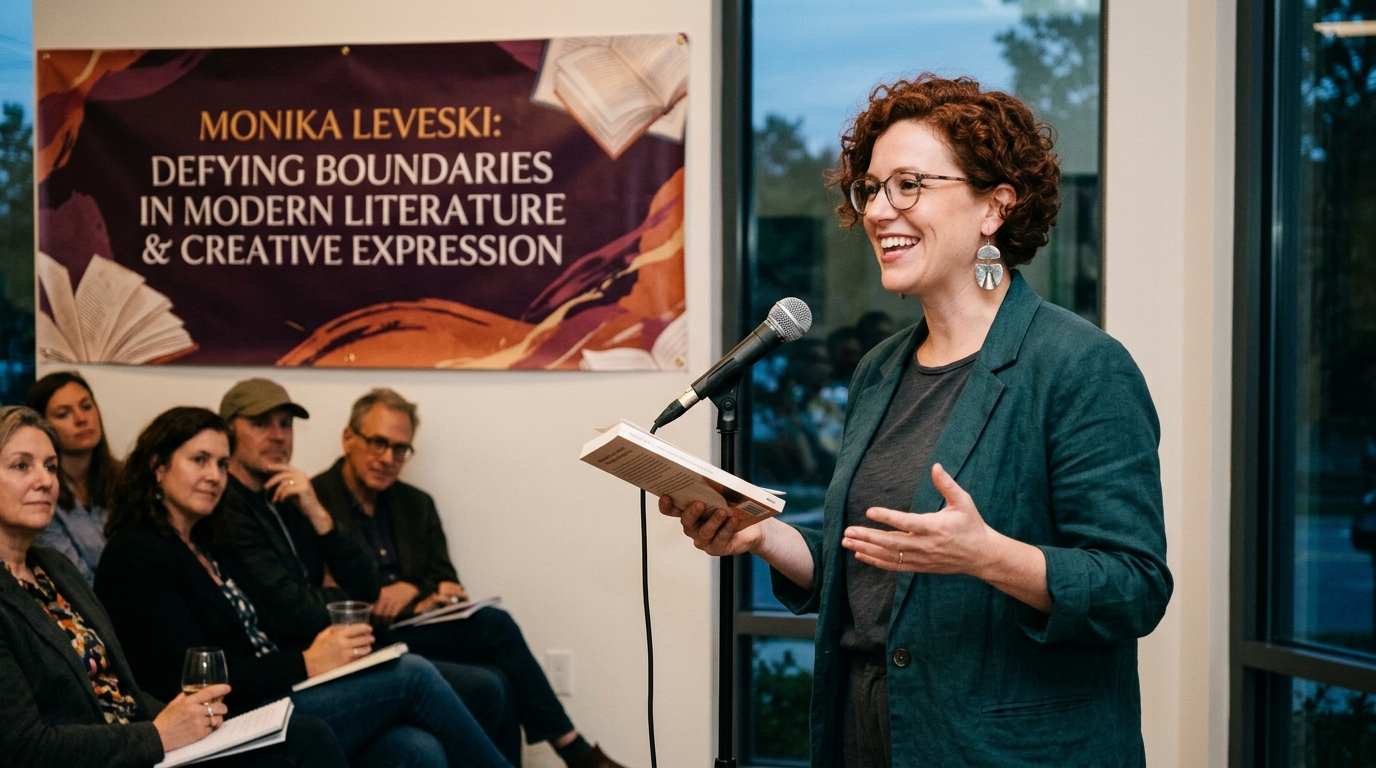
The world of modern literature continues to evolve as new voices bring fresh ideas, perspectives, and creative approaches to storytelling. Among the emerging names associated with artistic innovation and intellectual depth, Monika Leveski stands out as a symbol of creative expression and contemporary literary influence. Whether discussed in connection with fiction, cultural commentary, or artistic thought, Monika Leveski represents the growing impact of writers who challenge traditional boundaries while connecting deeply with modern audiences.
In today’s literary environment, readers are drawn toward authenticity, emotional intelligence, and narratives that reflect real human experiences. Monika Leveski embodies these qualities through a style that combines imagination with insight, creating works that resonate across different audiences and cultural backgrounds.
As literature increasingly intersects with digital culture, global perspectives, and evolving social conversations, figures like Monika Leveski help shape the direction of modern storytelling and creative exploration.
Understanding Monika Leveski and the rise of modern literary voices
The literary landscape has changed significantly over the past few decades. Traditional publishing models no longer define the entire creative world, and writers now have more opportunities to reach readers through digital platforms, independent publishing, and global communication networks.
Monika Leveski reflects this transformation by representing a new generation of literary thinkers who embrace innovation while maintaining artistic depth. Contemporary readers seek stories that are emotionally engaging, socially aware, and intellectually stimulating.
Modern literary voices often challenge established conventions by experimenting with narrative structure, language, and themes. This creative freedom allows writers to explore identity, culture, memory, and personal transformation in unique ways.
Monika Leveski symbolizes the growing influence of authors who are not limited by traditional expectations but instead use literature as a platform for reflection and exploration.
Monika Leveski and the evolution of contemporary storytelling
Storytelling has always been central to human culture, but the methods and themes of storytelling continue to evolve with society. Monika Leveski represents this evolution by embracing narratives that feel relevant to modern readers while maintaining timeless emotional connections.
Contemporary storytelling often focuses on complexity rather than simple conclusions. Characters are more layered, emotional struggles are more realistic, and narratives explore moral ambiguity with greater depth.
Readers today appreciate stories that reflect genuine human experiences, including uncertainty, ambition, personal growth, and emotional conflict. Monika Leveski aligns with this approach by emphasizing authenticity and emotional resonance.
The evolution of storytelling also includes experimentation with format and perspective. Writers increasingly blend genres, integrate philosophical ideas, and explore unconventional structures to create richer literary experiences.
This creative evolution helps literature remain dynamic and culturally significant in a rapidly changing world.
Creative themes associated with Monika Leveski
One of the most compelling aspects of Monika Leveski is the thematic depth often connected with contemporary literary expression. Modern readers are drawn toward themes that challenge assumptions and encourage reflection.
Identity is one such theme frequently explored in modern literature. Questions about self-discovery, belonging, and personal transformation resonate strongly in today’s society.
Another important theme is emotional resilience. Contemporary storytelling often examines how individuals navigate challenges, relationships, and personal uncertainty.
Social and cultural commentary also plays a major role. Literature has become a space where writers examine societal expectations, technology, isolation, and the impact of globalization.
Monika Leveski symbolizes the creative exploration of these themes through thoughtful narratives that combine emotional realism with artistic imagination.
Monika Leveski and the influence of digital culture on literature
Digital culture has transformed how literature is created, shared, and consumed. Writers now engage directly with readers through online communities, social platforms, and digital publishing channels.
Monika Leveski reflects the connection between contemporary literature and digital communication. Modern readers often discover authors through online recommendations, literary discussions, and virtual communities rather than traditional bookstores alone.
This shift has increased accessibility and diversity within the literary world. Writers from different backgrounds can now share their perspectives with global audiences more easily than ever before.
Digital culture has also influenced writing styles. Readers increasingly value concise emotional impact, immersive storytelling, and relatable themes that reflect modern experiences.
At the same time, technology creates new opportunities for interactive storytelling, multimedia integration, and creative experimentation. Monika Leveski represents this intersection between traditional literary depth and modern cultural engagement.
Artistic expression and literary identity in Monika Leveski
Literature is not only about storytelling—it is also a form of artistic identity. Writers often use language, symbolism, and structure to express personal perspectives and emotional insight.
Monika Leveski symbolizes the importance of literary identity in contemporary creative work. Modern authors are increasingly recognized not just for their stories but also for the distinct voice and perspective they bring to literature.
Artistic expression involves more than technical skill. It requires emotional honesty, intellectual curiosity, and the ability to communicate ideas in meaningful ways.
Readers connect deeply with writers who create authentic emotional experiences. Whether through poetic language, reflective themes, or character-driven narratives, literary identity becomes a defining element of memorable writing.
Monika Leveski reflects this emphasis on originality and creative individuality within modern literature.
Monika Leveski and the role of women in contemporary literature
The literary world has seen a significant rise in the influence of women writers who challenge outdated narratives and contribute fresh perspectives to global literature.
Monika Leveski can be viewed within this broader movement of female creative voices shaping contemporary storytelling and intellectual discourse.
Women in literature increasingly explore themes related to identity, independence, emotional complexity, and social transformation. These narratives offer perspectives that enrich literary culture and expand representation.
The growing visibility of women writers has also encouraged more inclusive conversations within publishing and creative industries. Diverse voices contribute to more meaningful and realistic storytelling.
Monika Leveski symbolizes the continuing importance of female perspectives in shaping modern artistic and literary conversations.
The cultural impact of Monika Leveski on modern readers
Literature has the power to influence thought, inspire creativity, and encourage emotional understanding. Monika Leveski represents the cultural role of writers who engage readers beyond entertainment alone.
Modern readers often seek books and stories that challenge them intellectually while also offering emotional connection. Literature creates opportunities for empathy by allowing readers to experience different perspectives and realities.
Cultural impact is also shaped by relatability. Readers connect with stories that reflect personal struggles, aspirations, and emotional truths.
Monika Leveski reflects how contemporary literature can influence cultural conversations, encourage reflection, and inspire creative thinking in audiences worldwide.
This impact becomes especially important in times of social and technological change, where literature helps people process complex experiences and emotions.
Monika Leveski and the future of creative writing
The future of creative writing is becoming increasingly diverse, experimental, and globally connected. Writers are no longer limited by geographical boundaries or traditional publishing systems.
Monika Leveski represents the evolving future of literature, where creativity, digital accessibility, and cultural diversity combine to shape new storytelling possibilities.
Future literary trends are likely to include more interactive formats, cross-genre experimentation, and collaborative creative spaces. Readers will continue seeking authenticity and emotional depth in narratives.
Artificial intelligence and digital publishing technologies may also influence how stories are created and distributed. However, the human element of storytelling—emotion, imagination, and lived experience—will remain essential.
Monika Leveski symbolizes the idea that literature continues to evolve while preserving its core purpose: connecting people through meaningful stories and ideas.
Challenges faced by contemporary literary creators like Monika Leveski
Despite growing opportunities, modern writers also face significant challenges. The digital era has increased competition, shortened attention spans, and created pressure for constant visibility.
Monika Leveski reflects the reality that contemporary literary creators must balance artistic integrity with modern audience expectations.
Writers today often navigate social media engagement, branding, and digital marketing alongside their creative work. This can create tension between artistic focus and public presence.
Another challenge is maintaining originality in a highly saturated creative environment. Readers constantly seek fresh perspectives, making innovation increasingly important.
Economic uncertainty within publishing also affects many writers. Independent authors and emerging voices often face difficulties gaining visibility and financial stability.
Despite these challenges, creative resilience remains a defining quality of successful contemporary writers.
Final thoughts
Monika Leveski represents the evolving spirit of contemporary literature and creative expression. Through themes of identity, emotional depth, artistic individuality, and cultural reflection, this name symbolizes the power of modern storytelling in a rapidly changing world.
As literature continues adapting to digital culture and global audiences, voices like Monika Leveeski highlight the importance of authenticity, imagination, and intellectual exploration. Modern readers are drawn toward stories that feel emotionally real and culturally meaningful, and contemporary writers play a critical role in shaping those experiences.
The future of literature will continue to depend on creators who are willing to challenge conventions, explore complex ideas, and connect deeply with audiences. Moniika Leveski reflects that creative ambition and the enduring influence of storytelling as both art and cultural dialogue.
Ultimately, literature remains one of humanity’s most powerful tools for understanding ourselves and the world around us, and creative voices like Monika Leveeski continue to inspire that journey forward.