
 By Cotton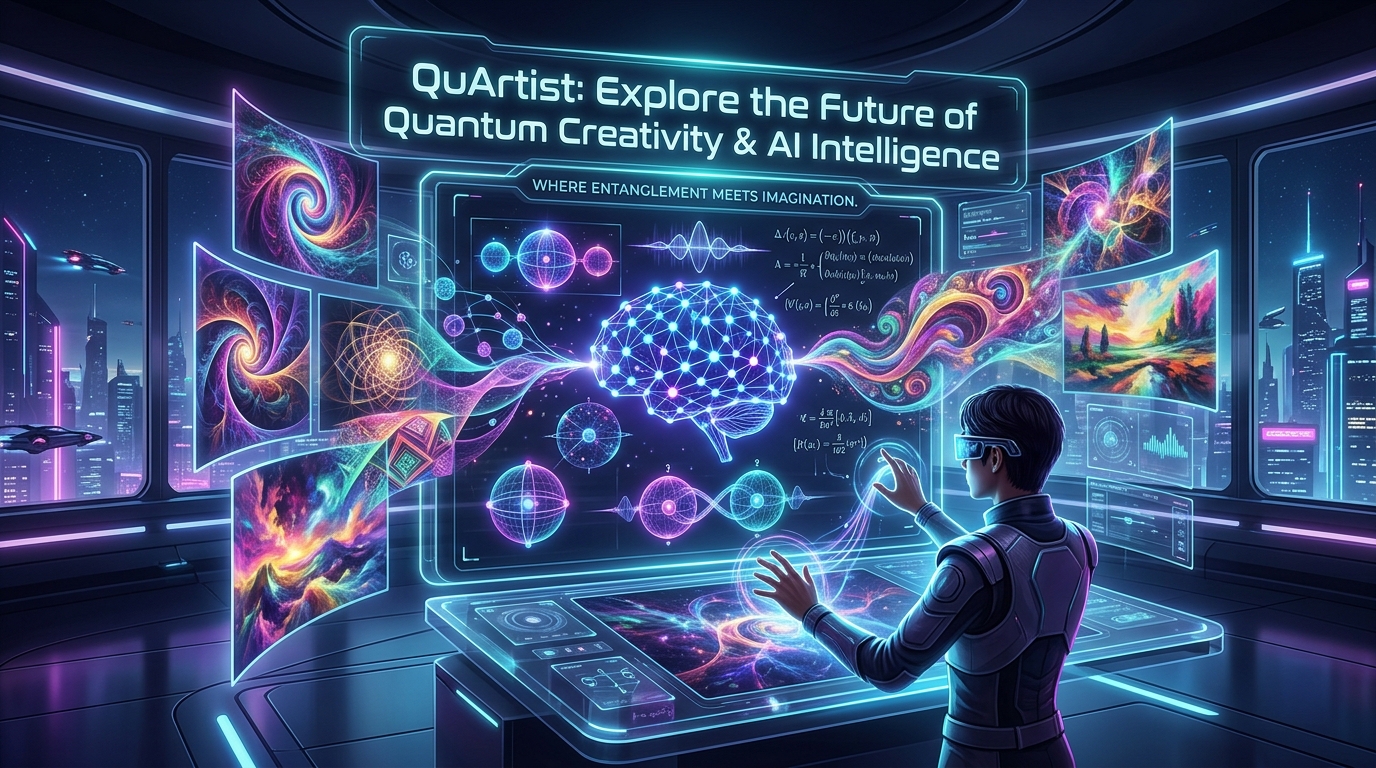
In an era where technology and creativity increasingly intersect, new concepts are emerging that redefine how we think about innovation. One such concept is quartist, a term that represents the fusion of quantum-inspired thinking and artistic intelligence. As industries evolve and creative tools become more advanced, quartist stands as a symbol of how science and art can merge to create entirely new possibilities.
The digital world is no longer limited to static tools or traditional workflows. Instead, it thrives on dynamic systems that adapt, learn, and evolve. Quartist reflects this transformation by introducing a new way of approaching creativity—one that blends advanced computation with human imagination. Whether applied to design, digital media, or problem-solving, the idea of quartist opens the door to a future where innovation is both intelligent and expressive.
Understanding quartist and how quartist shapes modern innovation
To fully understand quartist, it is important to look beyond conventional definitions of creativity and technology. Quartist represents a conceptual framework where quantum-level thinking meets artistic exploration. It is not confined to a single industry but instead influences multiple domains where creativity and intelligence intersect.
At its core, quartist encourages a multidimensional approach to problem-solving. Instead of following linear processes, it embraces complexity and adaptability. This allows creators and innovators to explore multiple possibilities simultaneously, leading to more refined and creative outcomes.
In practical terms, quartist can be seen in systems that analyze patterns, generate visual concepts, or assist in creative decision-making. These systems do not replace human creativity but enhance it by offering new perspectives and possibilities.
As innovation continues to accelerate, quartist provides a model for integrating advanced technology into creative processes without losing the human touch.
quartist and the evolution of digital creativity
The concept of quartist reflects a broader shift in how creativity is approached in the digital age. Traditional methods often relied on manual processes and fixed tools, but modern systems are becoming more adaptive and intelligent.
Digital creativity today involves collaboration between humans and machines. Quartist represents this collaboration by emphasizing synergy rather than replacement. Artists, designers, and developers can use intelligent systems to expand their creative potential.
This evolution has changed how content is produced, shared, and experienced. Visual design, music production, and storytelling now benefit from tools that can analyze trends, suggest improvements, and generate new ideas.
Quartist also highlights the importance of experimentation. By exploring multiple creative paths simultaneously, creators can discover unique solutions that would not be possible through traditional methods.
This shift toward intelligent creativity is redefining industries and opening new opportunities for innovation.
Key features of quartist in creative and technical fields
One of the defining aspects of quartist is its versatility across different fields. It is not limited to a single application but instead supports a wide range of creative and technical activities.
Adaptability is a key feature. Quartist systems can adjust to different creative goals, whether designing visuals, developing concepts, or solving complex problems.
Another important characteristic is pattern recognition. By analyzing large amounts of data, quartist-based approaches can identify trends and provide insights that guide creative decisions.
Efficiency also plays a major role. Intelligent systems can handle repetitive tasks, allowing creators to focus on higher-level thinking and innovation.
Collaboration is another strength. Quartist encourages interaction between humans and technology, creating a balanced workflow that combines intuition with precision.
These features make quartist a powerful concept for modern creators and innovators seeking to push boundaries.
quartist in artificial intelligence and quantum-inspired systems
The connection between quartist and advanced technologies such as artificial intelligence and quantum-inspired systems is central to its identity. While traditional AI focuses on data processing and automation, quartist emphasizes creativity and exploration.
Quantum-inspired thinking introduces the idea of handling multiple possibilities at once. This aligns with creative processes, where exploring different ideas simultaneously often leads to better outcomes.
Artificial intelligence supports this approach by providing analytical power and pattern recognition. When combined, these technologies create systems capable of assisting in complex creative tasks.
Quartist represents the integration of these elements into a unified framework. It allows creators to leverage advanced technology while maintaining control over artistic direction.
This combination is particularly valuable in fields such as digital design, animation, architecture, and scientific visualization, where both precision and creativity are essential.
Benefits of quartist for creators and innovators
The concept of quartist offers several advantages for individuals and organizations working in creative and technical fields. One of the most significant benefits is enhanced creativity.
By providing new perspectives and insights, quartist helps creators break free from conventional thinking. This leads to more innovative ideas and unique solutions.
Another benefit is improved efficiency. Automated processes reduce the time spent on repetitive tasks, allowing creators to focus on strategy and design.
Quartist also supports learning and skill development. By interacting with intelligent systems, users can gain a deeper understanding of patterns, trends, and creative techniques.
For businesses, quartist can improve productivity and competitiveness. Companies that adopt advanced creative tools are better positioned to adapt to changing market demands.
Overall, quartist empowers users to achieve more while maintaining a balance between creativity and technology.
Challenges and limitations of quartist in real-world use
Despite its potential, quartist also presents certain challenges that must be considered. One of the main concerns is complexity. Advanced systems may require time and effort to understand and use effectively.
Another challenge is accessibility. Not all users have access to the technology or resources needed to implement quartist-based approaches.
There is also the risk of over-reliance on technology. While intelligent systems can enhance creativity, they should not replace human judgment or originality.
Ethical considerations are another important factor. The use of advanced technologies in creative fields raises questions about authorship, originality, and intellectual property.
Addressing these challenges requires a balanced approach that combines innovation with responsibility and awareness.
quartist and the future of creative industries
The future of quartist is closely tied to the continued evolution of technology and creativity. As tools become more advanced, the integration of intelligent systems into creative workflows will become more common.
Quartist is likely to play a significant role in shaping industries such as media, entertainment, education, and design. These fields rely heavily on innovation and adaptability, making them ideal for quartist-based approaches.
Emerging technologies such as augmented reality, virtual reality, and immersive experiences will also benefit from quartist concepts. These technologies require both technical precision and creative vision.
Education is another area where quartist can have a major impact. By introducing intelligent tools into learning environments, students can develop both technical and creative skills more effectively.
As the digital landscape continues to evolve, quartist will remain a key concept in bridging the gap between science and art.
quartist and human-centered creativity
While technology plays a central role in quartist, the human element remains essential. Creativity is deeply connected to emotion, intuition, and personal expression.
Quartist supports human-centered design by ensuring that technology enhances rather than replaces creativity. The goal is to create systems that work alongside users, providing support without limiting artistic freedom.
This approach encourages collaboration and experimentation. Creators can explore new ideas while maintaining control over their work.
Human-centered creativity also emphasizes the importance of context and meaning. Technology can generate ideas, but it is the human perspective that gives them purpose and relevance.
By focusing on this balance, quartist ensures that innovation remains both meaningful and impactful.
Final thoughts
In a world where technology and creativity are becoming increasingly interconnected, quartist represents a powerful and forward-thinking concept. It combines the analytical strength of advanced systems with the expressive nature of human creativity.
From digital design to scientific innovation, quartist offers a framework for exploring new possibilities and solving complex challenges. It encourages adaptability, collaboration, and continuous learning.
While there are challenges to address, the potential benefits of quartist are significant. By embracing this concept, individuals and organizations can unlock new levels of creativity and innovation.
As the future unfolds, quartist will likely play an important role in shaping how we create, think, and interact with technology. It stands as a reminder that the most powerful innovations often emerge at the intersection of different disciplines.
In the end, quartist is not just about tools or systems—it is about a new way of thinking that brings together the best of science and art to create a more dynamic and imaginative world.