
 By Cotton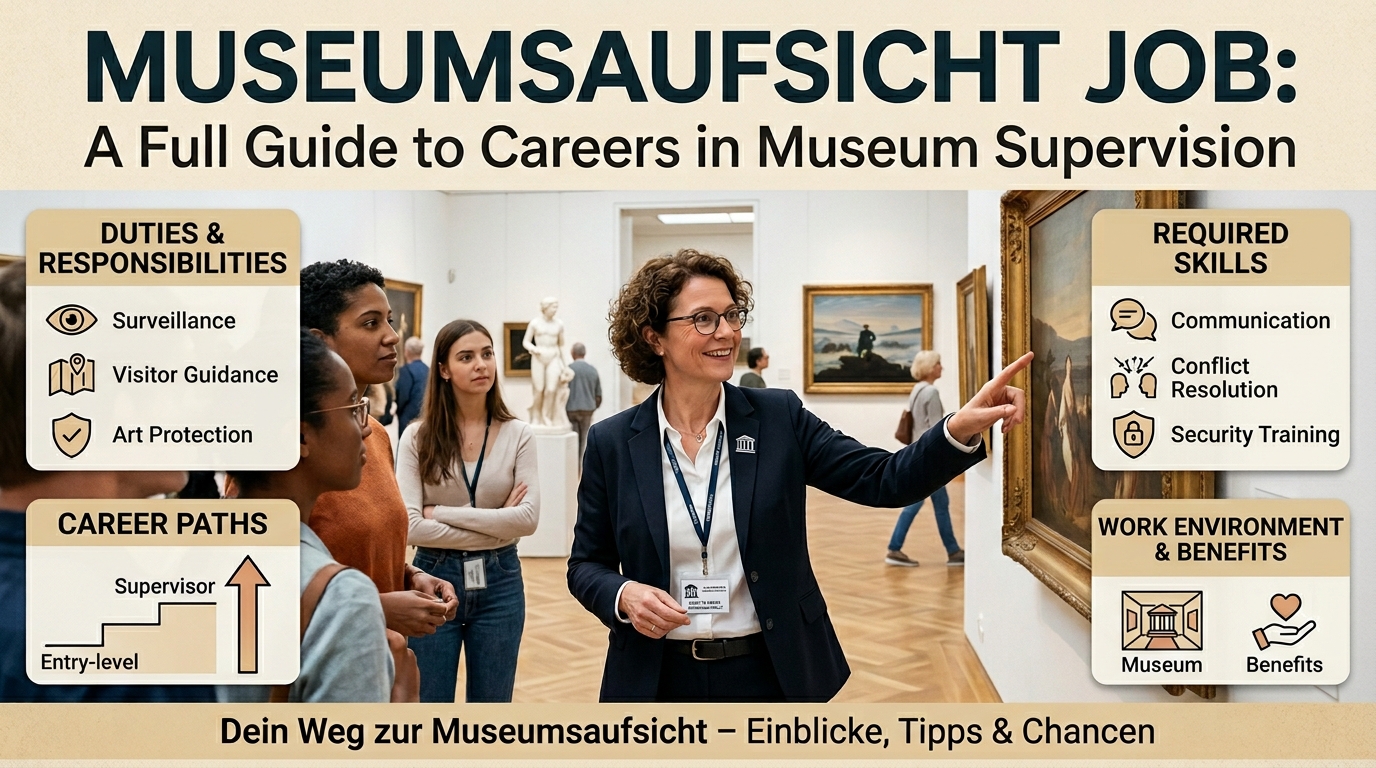
A museumsaufsicht job is an important role within museums, galleries, and cultural institutions. People working in this position help protect valuable collections, assist visitors, and maintain a safe and organized environment. Museums are not only places for displaying art and historical artifacts; they are also educational and cultural spaces that require professional supervision and visitor support. This makes museumsaufsicht jobs essential for the smooth operation of exhibitions and public events.
As interest in cultural heritage and tourism continues to grow, museums around the world increasingly rely on trained staff to manage daily activities. A museumsaufsicht job offers individuals the opportunity to work closely with art, history, and culture while interacting with visitors from different backgrounds. The role combines responsibility, communication skills, and attention to detail in a unique professional environment.
Understanding the responsibilities, qualifications, and career opportunities related to a museumsaufsicht job can help job seekers decide whether this rewarding field matches their interests and career goals.
Insight a museumsaufsicht job and its main responsibilities
A museumsaufsicht job generally refers to museum supervision or museum attendant work. Employees in this position are responsible for monitoring exhibition spaces and ensuring that museum rules are followed.
One of the main duties involves protecting artworks and historical objects from damage or theft. Museum supervisors carefully observe visitor behavior and respond appropriately if someone violates museum policies.
Another important responsibility is assisting visitors. Museumsaufsicht employees often answer questions, provide directions, and help create a welcoming atmosphere.
Maintaining safety standards is also part of the role. Staff members monitor emergency exits, report suspicious activities, and support evacuation procedures if necessary.
In some museums, supervisors may also help manage crowd flow during busy exhibitions or special events. This ensures visitors can enjoy exhibits comfortably and safely.
The role requires professionalism, patience, and strong observation skills because museum environments demand constant awareness and attention.
Museumsaufsicht job and the importance of cultural preservation
One of the most meaningful aspects of a museumsaufsicht job is contributing to cultural preservation. Museums protect important objects that reflect human history, artistic achievement, and scientific development.
Museum supervisors help preserve these collections by ensuring visitors interact responsibly with exhibits. Even small mistakes, such as touching sensitive artifacts, can cause permanent damage.
By maintaining order and enforcing museum guidelines, museumsaufsicht staff support long-term conservation efforts. Their presence helps museums protect irreplaceable items for future generations.
Cultural preservation also includes creating respectful environments where people can learn and appreciate history and art. Museum attendants play a key role in maintaining this atmosphere.
Working in cultural institutions allows employees to participate directly in protecting heritage and supporting educational experiences for the public.
Skills required for a successful museumsaufsicht job
A successful museumsaufsicht job requires a combination of interpersonal, organizational, and observational skills. Since the role involves both visitor interaction and security awareness, employees must remain attentive and professional throughout the day.
Communication skills are especially important. Museum supervisors regularly interact with visitors, answer questions, and explain museum rules politely and clearly.
Observation skills are equally essential. Employees must monitor exhibitions carefully and recognize unusual or potentially harmful behavior quickly.
Patience and emotional control are valuable qualities because museums attract diverse visitors with different expectations and behaviors.
Reliability is another critical factor. Museums rely on supervisors to maintain security and follow procedures consistently.
Basic knowledge of art, history, or cultural topics may also be helpful, although many institutions provide training for new employees.
Strong teamwork abilities are important as well since museumsaufsicht staff often coordinate with security personnel, curators, and administrative teams.
Educational background for a museumsaufsicht job
Educational requirements for a museumsaufsicht job vary depending on the institution and country. Many entry-level positions do not require advanced academic degrees, making the role accessible to a broad range of applicants.
A high school diploma or equivalent qualification is often sufficient for basic supervisory positions. However, museums may prefer candidates with backgrounds in history, art, tourism, or cultural studies.
Language skills can also improve employment opportunities, especially in museums that receive international visitors.
Some institutions provide internal training focused on museum policies, emergency procedures, and customer service standards.
Experience in security, hospitality, or public service may also strengthen a candidate’s application.
For individuals interested in long-term museum careers, additional education in museum studies or cultural management can open opportunities for advancement into administrative or curatorial roles.
Museumsaufsicht job and daily work environments
The daily environment of a museumsaufsicht job is unique compared to many other professions. Museums are generally calm, organized, and culturally enriching spaces.
Employees spend much of their time standing or walking through exhibition areas while monitoring visitor activity. Attention to detail remains important throughout the shift.
Different museums offer different experiences. Art museums may focus on modern or classical works, while historical museums display archaeological artifacts, documents, or scientific collections.
Some institutions organize temporary exhibitions, special events, or educational programs that create dynamic working conditions.
Museum supervisors may work independently or as part of larger teams depending on the size of the institution.
Although the work environment is often peaceful, the role still requires alertness and responsibility because valuable collections must remain protected at all times.
Career opportunities connected to a museumsaufsicht job
A museumsaufsicht job can serve as an entry point into the broader museum and cultural sector. Many individuals use the experience gained in supervisory roles to pursue long-term careers within museums.
Employees may eventually move into positions related to museum administration, visitor services, education, or exhibition coordination.
Some supervisors develop specialized expertise in security management or cultural event planning.
Networking opportunities within museums can also support career growth. Working alongside curators, historians, and cultural professionals provides valuable exposure to different areas of museum operations.
For students or recent graduates interested in art or history, museumsaufsicht positions can offer practical experience that strengthens future career prospects.
The cultural sector values hands-on experience, making supervisory roles important stepping stones for professional development.
Museumsaufsicht job and customer service excellence
Customer service is a major component of a museumsaufsicht job. Museums aim to create positive and educational experiences for visitors, and supervisors contribute directly to that goal.
Friendly interaction helps visitors feel comfortable and welcome. Museum attendants often guide guests through exhibitions and answer questions about museum facilities.
Professional communication is especially important during busy periods or when handling visitor concerns.
Good customer service also supports accessibility. Staff may assist elderly visitors, families, or individuals with disabilities to ensure everyone can enjoy the museum experience.
Positive visitor interactions improve the reputation of cultural institutions and encourage repeat visits.
Balancing hospitality with security responsibilities requires strong interpersonal skills and situational awareness.
Challenges associated with a museumsaufsicht job
Although rewarding, a museumsaufsicht job also presents certain challenges. Standing for long periods can be physically demanding, especially during busy exhibitions or extended shifts.
Maintaining concentration throughout the day is another challenge because supervisors must remain alert even during quieter periods.
Handling difficult visitor behavior requires patience and professionalism. Employees may occasionally need to address rule violations or resolve conflicts calmly.
Work schedules can vary depending on museum operating hours, special events, or seasonal tourism activity. Evening or weekend shifts are common in many institutions.
Despite these challenges, many people find museum supervision fulfilling because it combines meaningful work with cultural engagement.
Proper training and supportive work environments help employees manage these responsibilities effectively.
Museumsaufsicht job and the growth of cultural tourism
Cultural tourism continues expanding worldwide, increasing demand for qualified museum staff. A museumsaufsicht job has become increasingly important as museums welcome larger and more diverse audiences.
Tourists often visit museums to explore local history, art, and heritage. Museum supervisors help create positive experiences that reflect well on the institution and the surrounding community.
International tourism also increases the importance of multilingual communication skills and cultural sensitivity.
As museums modernize and expand their exhibitions, staffing needs continue to grow. Interactive displays, digital experiences, and special events require additional visitor management and supervision.
This growth creates more employment opportunities within the museum sector and highlights the ongoing relevance of museumsaufsicht positions.
The future of the museumsaufsicht job profession
The future of the museumsaufsicht job profession is closely connected to changes in museum technology, visitor expectations, and cultural engagement.
Many museums now use digital tools such as interactive screens, virtual tours, and smart security systems. Supervisors increasingly work alongside these technologies to improve visitor experiences and operational efficiency.
However, human interaction remains essential. Visitors still value personal assistance, guidance, and direct communication within museum environments.
Sustainability and accessibility are also becoming priorities in cultural institutions. Museum staff may receive additional training focused on inclusive visitor support and environmentally responsible practices.
As museums continue evolving, the museumsaufsicht role will likely become more dynamic and specialized while maintaining its core responsibilities related to safety and visitor care.
Final thoughts
A museumsaufsicht job offers a unique opportunity to work in culturally significant environments while contributing to the protection of history, art, and public education. The role combines security, customer service, and cultural engagement in a meaningful and professional setting.
From assisting visitors to preserving valuable collections, museum supervisors play an essential role in supporting museum operations and creating positive experiences for the public.
Although the profession requires patience, responsibility, and strong observational skills, it also provides rewarding experiences and potential career growth within the cultural sector.
As museums continue attracting visitors from around the world, the demand for dedicated and skilled museumsaufsicht professionals is likely to remain strong. For individuals interested in culture, history, and public interaction, this career path offers both stability and personal fulfillment.