
 By Cotton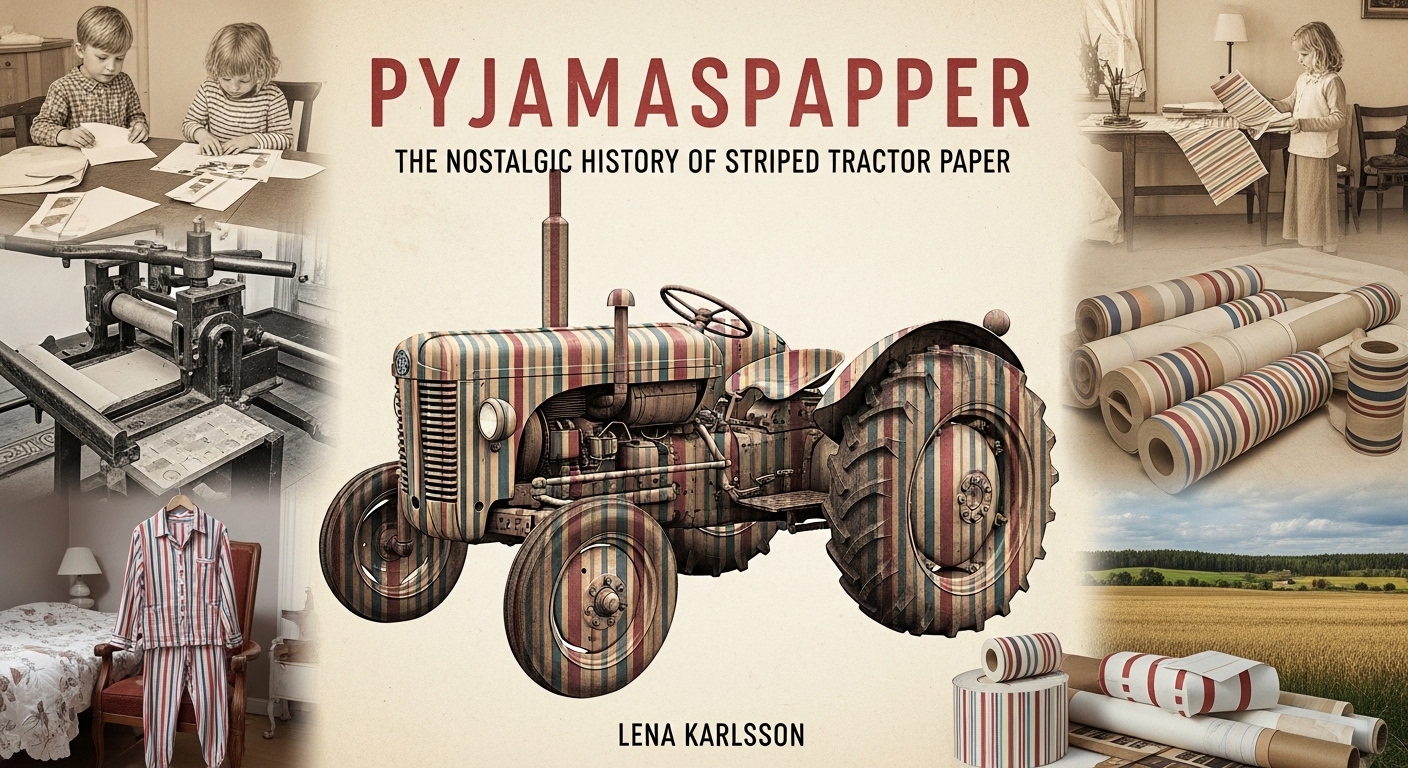
There was a time when the rhythmic hum of dot-matrix printers filled offices, echoing late into the night as reports, invoices, and data sheets came to life. In those moments, a unique kind of paper fed steadily through machines, its perforated edges guiding each line with precision. That paper—known as Pyjamaspapper—was more than just a printing medium. It became a symbol of early digital productivity, a bridge between analog processes and the computerized future.
For many entrepreneurs, tech enthusiasts, and founders who witnessed the transition from paper-heavy workflows to digital ecosystems, Pyjamaspapper holds a certain nostalgic charm. But beyond the sentiment lies a fascinating story of innovation, efficiency, and design.
Understanding Pyjamaspapper in a Modern Context
Pyjamaspapper, often referred to as striped tractor paper, was specifically designed for continuous-feed printers. Its defining feature was the alternating light-colored stripes, typically in soft hues like green or blue, which improved readability across dense lines of printed data.
This type of paper was engineered with perforated holes along both edges, allowing it to be pulled through printers using tractor-feed mechanisms. The design ensured that long documents could be printed seamlessly without manual intervention, making it an essential tool in industries that relied heavily on bulk printing.
In today’s context, Pyjamaspapper represents a milestone in workflow automation. It reminds us of a time when optimizing physical processes was just as important as optimizing digital ones.
The Origins of Pyjamaspapper and Early Computing
The story of Pyjamaspapper begins in the mid-20th century, when businesses started adopting computers for data processing. Early computers required physical outputs, and printing large volumes of information efficiently became a pressing need.
Continuous-feed paper emerged as a solution, and Pyjamaspapper quickly gained popularity due to its user-friendly design. The striped pattern was not merely aesthetic—it helped reduce eye strain when reading rows of numbers, especially in financial documents and technical reports.
As industries such as banking, logistics, and manufacturing expanded their reliance on data, Pyjamaspapper became a standard component of daily operations. It was particularly valued for its ability to handle long print jobs without interruptions, a feature that significantly boosted productivity.
Why Striped Tractor Paper Became So Popular
The widespread adoption of Pyjamaspapper can be attributed to its practical advantages. Unlike standard sheets, it allowed continuous printing, which minimized downtime and reduced the need for manual paper handling.
The alternating stripes played a crucial role in improving data accuracy. Employees scanning through rows of figures could easily track lines without losing their place. This seemingly simple feature had a profound impact on efficiency, particularly in environments where precision was critical.
Moreover, the durability of Pyjamaspapper made it suitable for high-speed printing. It could withstand the mechanical stress of tractor-feed systems, ensuring consistent performance even during extended print runs.
How Pyjamaspapper Shaped Business Operations
Before the rise of digital dashboards and cloud-based reporting tools, businesses relied heavily on printed documents. Pyjamaspapper was at the heart of this ecosystem, enabling organizations to generate detailed reports, invoices, and logs.
In many ways, it shaped how businesses approached data management. The ability to print continuous streams of information encouraged companies to maintain comprehensive records. This, in turn, influenced decision-making processes, as leaders had access to tangible data they could review and analyze.
For entrepreneurs and founders, Pyjamaspapper represents an era where operational efficiency was closely tied to physical tools. It highlights the importance of designing systems that support scalability and reliability—principles that remain relevant today.
Comparing Pyjamaspapper with Modern Printing Solutions
While Pyjamaspapper played a crucial role in the past, modern printing and digital solutions have largely replaced it. However, comparing the two offers valuable insights into technological evolution.
| Feature | Pyjamaspapper (Striped Tractor Paper) | Modern Printing Solutions |
|---|---|---|
| Printing Method | Continuous-feed, tractor system | Laser, inkjet, digital |
| Readability | Enhanced with colored stripes | Digital formatting tools |
| Efficiency | High for bulk printing | High with automation |
| Environmental Impact | Paper-intensive | Reduced paper usage |
| Flexibility | Limited to physical output | Cloud-based and scalable |
This comparison illustrates how far technology has come while also emphasizing the foundational role of innovations like Pyjamaspapper.
The Decline of Pyjamaspapper in the Digital Age
As digital transformation accelerated, the need for continuous-feed paper began to diminish. Businesses shifted toward electronic records, reducing their reliance on physical documents.
Printers evolved as well, with laser and inkjet technologies offering faster, quieter, and more versatile solutions. These advancements made Pyjamaspapper less relevant in modern workflows.
However, its decline does not diminish its significance. Instead, it marks the natural progression of technology, where each innovation builds upon the last.
The Lasting Legacy of Pyjamaspapper
Despite its reduced presence in today’s offices, Pyjamaspapper continues to hold historical and educational value. It serves as a reminder of how businesses once operated and the challenges they overcame.
For tech readers and founders, it offers lessons in design thinking. The success of Pyjamaspapper was rooted in its ability to address specific user needs—improving readability, ensuring reliability, and enabling scalability.
These principles remain at the core of modern product development. Whether designing software or hardware, understanding user requirements and creating efficient solutions is key to success.
Why Pyjamaspapper Still Matters Today
In an era dominated by digital tools, it may seem surprising that Pyjamaspapper still holds relevance. Yet, its story provides valuable insights into the evolution of technology and business practices.
For entrepreneurs, it highlights the importance of innovation in solving real-world problems. For tech enthusiasts, it offers a glimpse into the origins of modern computing workflows.
Moreover, the nostalgia associated with Pyjamaspapper serves as a reminder of how far we have come. It encourages us to appreciate the tools and technologies that paved the way for today’s advancements.
Conclusion
Pyjamaspapper is more than just striped tractor paper—it is a symbol of an era defined by rapid technological change and growing business ambitions. It played a crucial role in shaping how organizations managed data, enabling them to operate more efficiently and effectively.
As we continue to embrace digital transformation, the legacy of Pyjamaspapper remains relevant. It reminds us that every innovation, no matter how simple it may seem, has the potential to drive progress and redefine the way we work.
Looking ahead, the story of Pyjamaspapper encourages us to think critically about the tools we use and the systems we design. After all, today’s innovations may one day become the nostalgic artifacts of tomorrow.